How to choose the right pipe coupling for a pneumatic conveying system

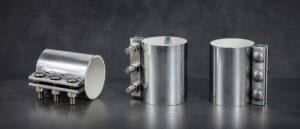
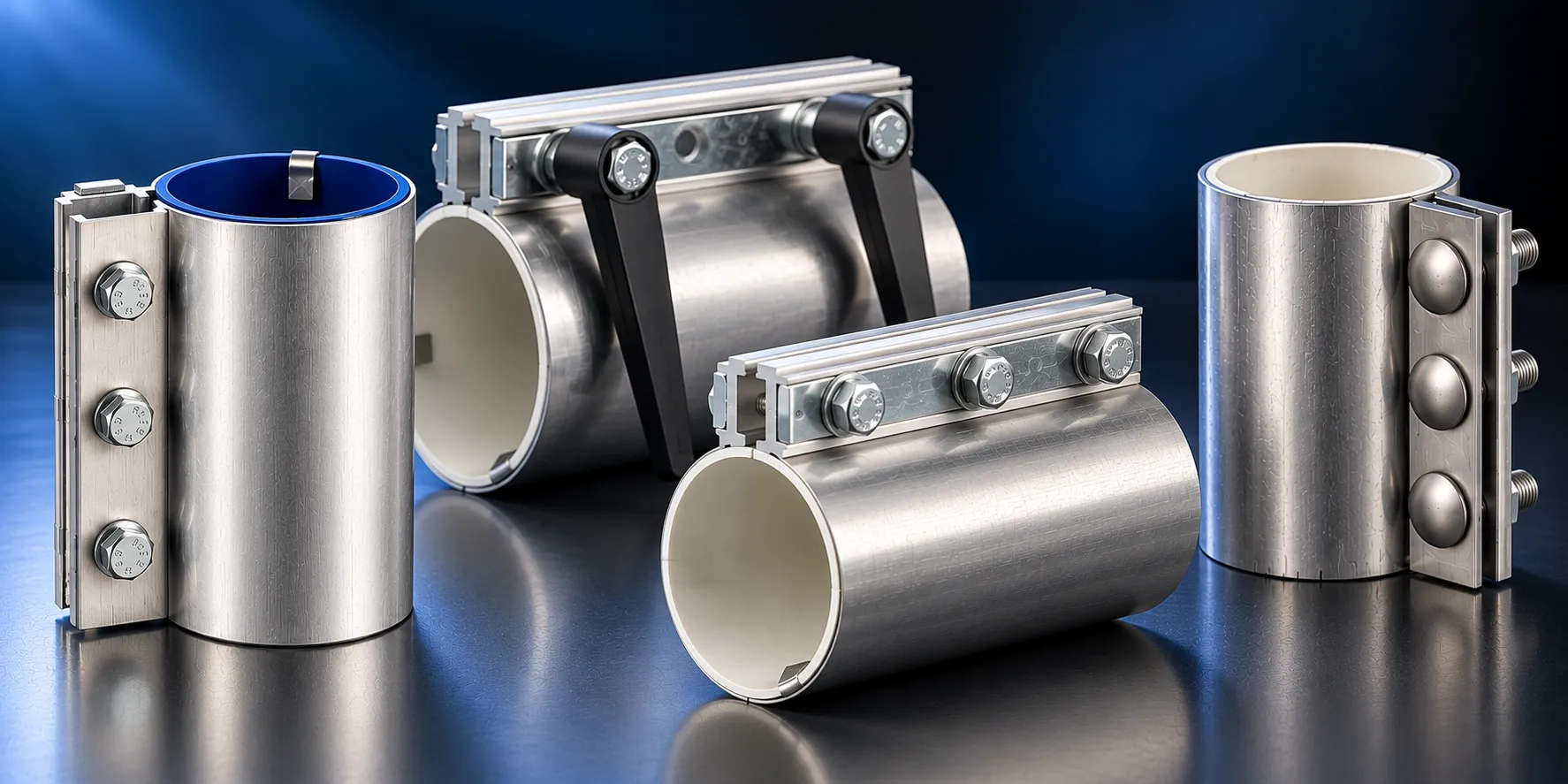
HS Umformtechnik pipe couplings for pneumatic conveying systems

Prevent leaks, simplify maintenance and reduce intervention times with the right connection for your installation.

An air leak, a deteriorated seal or a pipe bend that is difficult to replace can become a serious problem in any pneumatic conveying system for bulk solids.

What may seem like a simple connection between pipes can affect system efficiency, cause dust emissions or complicate maintenance tasks, resulting in production downtime.

That is why choosing the right pipe couplings for pneumatic conveying involves more than simply checking the pipe diameter. Operating pressure or vacuum, seal material and the maintenance requirements of each installation must also be considered.

Pipe couplings vs welded flanges: easier maintenance, fewer complications

Welded flange connections are commonly used in industrial installations. However, when components need to be inspected, cleaned or replaced, removable pipe couplings can offer significant advantages.

  • Reduced intervention times: Connections can be easily dismantled and reassembled, making certain maintenance operations quicker.
  • Easier component replacement: Pipe bends, straight pipe sections and other components subject to wear can be replaced without cutting or modifying welded connections.
  • Welding-free installation: Simplifies the assembly of pipe sections designed for this connection system.
  • Greater flexibility: Facilitates modifications and extensions to the installation, as well as component reuse when their condition allows.

In systems conveying abrasive materials, for example, being able to replace a worn pipe bend without welding can considerably simplify maintenance work.

The benefits go beyond the initial installation of a pipe coupling: they extend throughout the service life of the system.

Which pipe coupling should you choose for your operating conditions?

Not all pneumatic conveying systems operate under the same conditions. Using an unsuitable connection can lead to leaks, pressure losses, unwanted air ingress or sealing problems.

HS Umformtechnik offers different solutions for pressure and vacuum pneumatic conveying systems.

Model Main application Maximum pressure Maximum vacuum
DVK-HD Pressure pneumatic conveying Up to 12 bar Up to 0,8 bar
DVK6 Vacuum and suction conveying Up to 6 bar Up to 0,6 bar
AISI 304 stainless steel Installations requiring corrosion resistance Up to 6 bar Up to 0,8 bar*

* Values may vary depending on diameter and configuration. The specifications of the selected model must be verified.

Beyond the conveying method, selection should also consider pipe diameter, temperature, the characteristics of the conveyed material and the maintenance requirements of the installation.

The seal: a small component that can cause major problems

Even a correctly selected pipe coupling can lose its effectiveness if the seal is unsuitable for the operating conditions.

Using a material that is incompatible with the conveyed product or operating temperature can accelerate deterioration, compromise sealing performance and lead to unexpected maintenance interventions.

HS Umformtechnik therefore offers different seal materials, including NBR, EPDM, silicone, Viton and natural rubber, depending on the coupling model and installation requirements.

Selecting the right seal material helps maintain a reliable connection and prevent problems caused by premature wear.

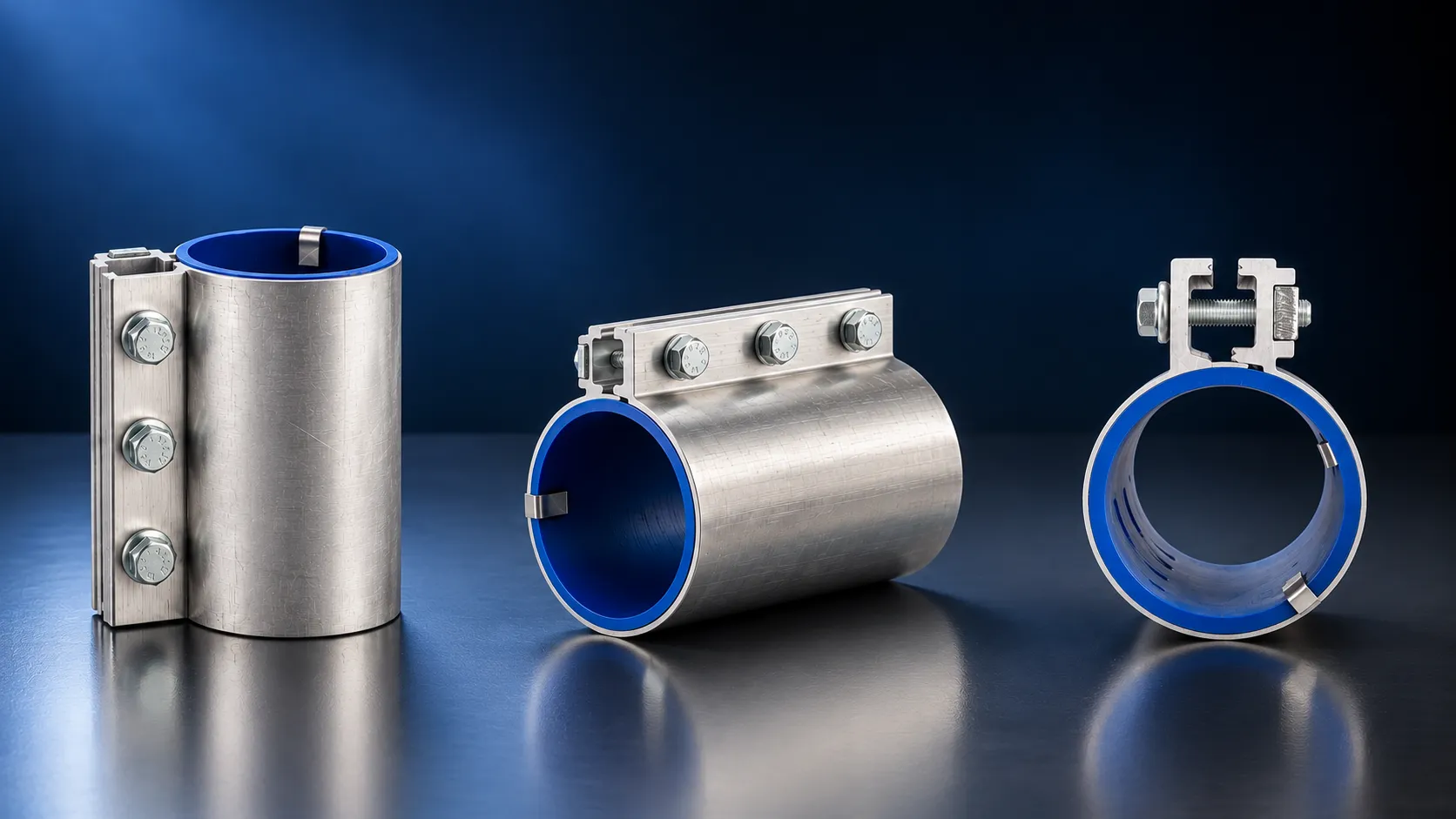
HS DVK-HD pipe coupling with blue metal-detectable silicone seal

New: blue metal-detectable silicone seals for enhanced
food safety

What happens if a fragment of a seal breaks off and becomes mixed with the conveyed product?

In the food industry, this type of contamination can cause quality issues, lead to product rejection and require additional inspections.

To help prevent these situations, HS Umformtechnik DVK-HD pipe couplings can now be supplied with a new blue metal-detectable silicone seal, offering two key advantages:

  • Metal detection: Its specially formulated material allows potential fragments to be identified by suitably configured metal detection systems.
  • Visual identification: The blue colour makes potential fragments easier to identify during quality control inspections.

This configuration provides an additional measure against foreign-body contamination and helps strengthen food safety procedures.

Detection capability depends on the equipment used and its operating conditions. Compliance with food-contact requirements must be verified separately.

Common mistakes that can compromise your installation

What seems like a straightforward choice can ultimately lead to operating and maintenance problems.

Here are some common mistakes to avoid:

  • Choosing based on diameter alone: Failing to check operating pressure or vacuum can result in an unsuitable connection.
  • Overlooking seal compatibility: An incompatible material may deteriorate prematurely and cause leaks.
  • Not considering maintenance: A connection that is difficult to access or dismantle can complicate component replacement.
  • Ignoring process-specific requirements: Particularly in food processing applications, where contamination prevention requires special attention.

The right choice today can prevent problems tomorrow

Choosing the right pipe coupling affects not only system tightness but also ease of maintenance, flexibility and process reliability.

At SUTEIN, we offer a comprehensive range of HS Umformtechnik pipe couplings for pressure and vacuum pneumatic conveying, stainless steel solutions and new configurations featuring blue metal-detectable silicone seals.

Need help choosing the right solution?

Our technical team will advise you based on the operating conditions and specific requirements of your process.